
OJHW Logo without description by Miyuki Morikawa and Toma-Jin Morikawa-Fouquet
Across Anti-Imperial Metropolises
Nonstate Approaches to Modern Japan-France History
Registration
Register by 3 November to attend the conference in-person or online.
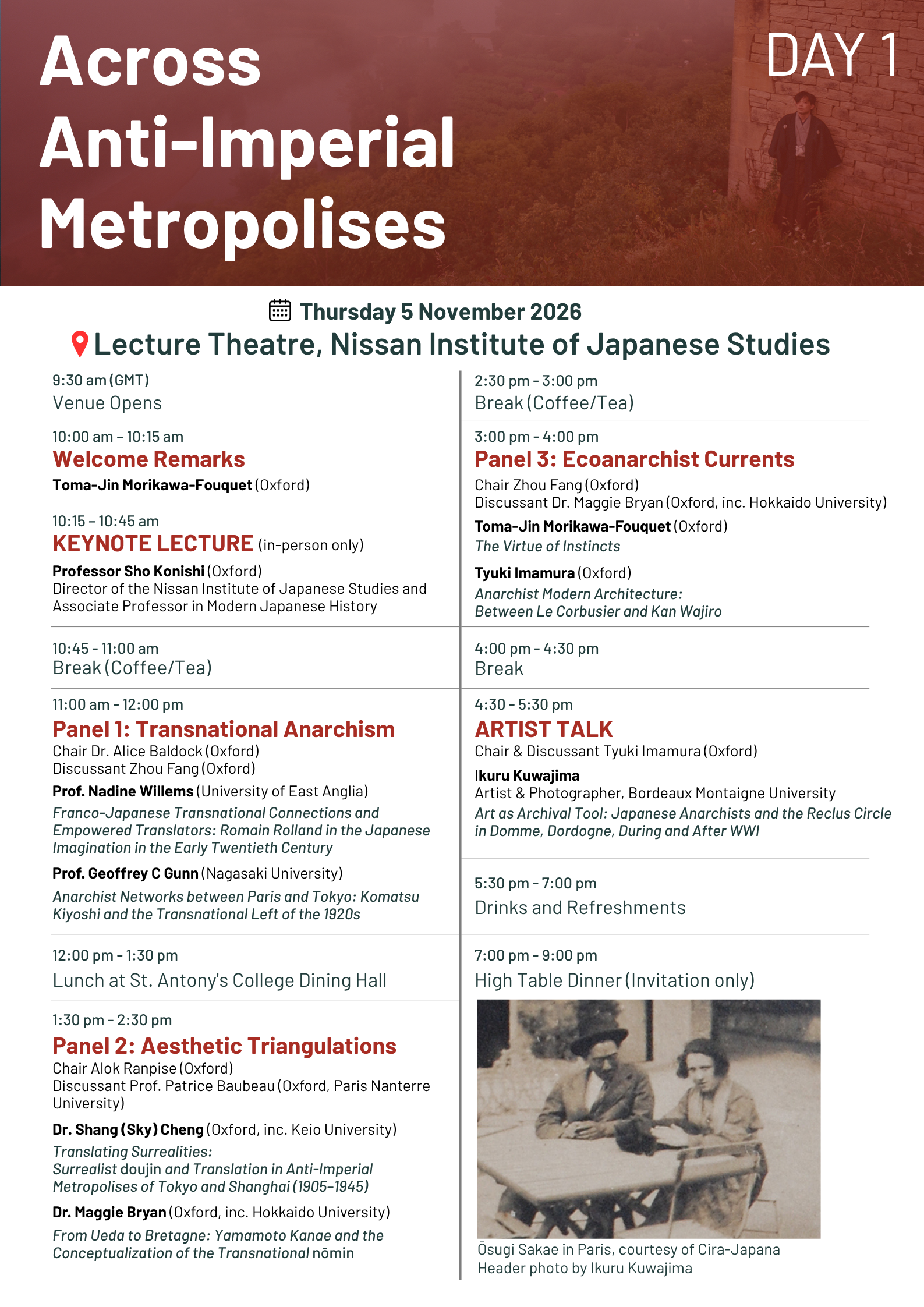
DAY 1 (5 Nov.): Lecture Theatre, Nissan Institute of Japanese Studies, University of Oxford
9:30 am (GMT) Venue Opens
10:00 am – 10:15 am Welcome Remarks
Toma-Jin Morikawa-Fouquet
10:15 – 10:45 am Keynote Lecture (in-person only)
Professor Sho Konishi (Director of the Nissan Institute of Japanese Studies and Associate Professor in Modern Japanese History)
10:45–11:00 am Break
11:00 am –12:00 pm Panel 1: Transnational Anarchism (Chair Dr. Alice Baldock; Discussant Zhou Fang)
Franco-Japanese Transnational Connections and Empowered Translators: Romain Rolland in the Japanese Imagination in the Early Twentieth Century
Prof. Nadine Willems (Associate Professor in Japanese History, School of History and Art History, University of East Anglia)
Anarchist Networks between Paris and Tokyo: Komatsu Kiyoshi and the Transnational Left of the 1920s
Prof. Geoffrey C Gunn (Professor Emeritus, Nagasaki University)
12:00 pm – 1:30 pm Lunch at St. Antony’s College Dining Hall
1:30 pm –2:30 pm Panel 2: Aesthetic Triangulations (Chair Alok Ranpise; Discussant Prof. Patrice Baubeau)
Translating Surrealities: Surrealist doujin and Translation in Anti-Imperial Metropolises of Tokyo and Shanghai (1905–1945)
Dr. Shang (Sky) Cheng (DPhil in History, University of Oxford, Incoming JSPS Research Fellow at Keio University)
From Ueda to Bretagne: Yamamoto Kanae and the Conceptualization of the Transnational nōmin
Dr. Maggie Bryan (DPhil in History, University of Oxford)
2:30 pm – 3:00 pm Break
3:00 pm – 4:00 pm Panel 3: Ecoanarchist Currents (Chair Zhou Fang; Discussant Dr. Maggie Bryan)
The Virtue of Instincts
Toma-Jin Morikawa-Fouquet (DPhil candidate in History, University of Oxford)
Anarchist Modern Architecture: Between Le Corbusier and Kon Wajiro
Tyuki Imamura (DPhil candidate in Contemporary Art History and Theory, University of Oxford)
4:00 – 4:30 pm Break
4:30 – 5:30 pm Artist Talk (Chair & Discussant Tyuki Imamura)
Art as Archival Tool: Japanese Anarchists and the Reclus Circle in Domme, Dordogne, During and After WWI
Ikuru Kuwajima (Artist & Photographer, Master’s in Visual Arts [Research & Practice] at Bordeaux Montaigne University)
5:30 pm – 7:00 pm Drinks and Refreshments
7:00pm – 9:00 pm High Table Dinner (Invitation only)
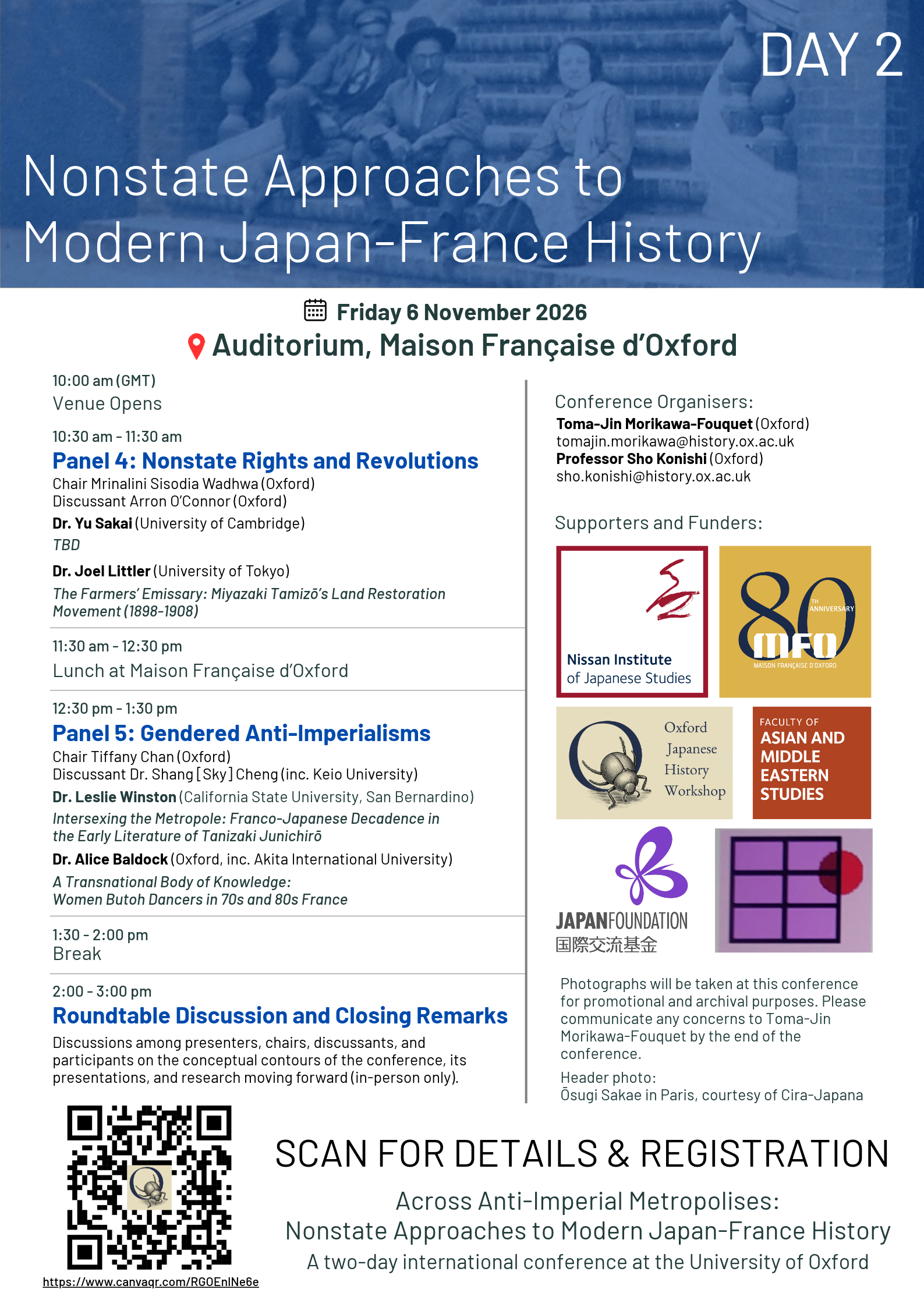
DAY 2 (6 Nov.): Auditorium, Maison Française d’Oxford
10:00 am – 10:30 am Venue Opens
10:30 am – 11:30 am Panel 4: Nonstate Rights and Revolutions (2 talks; Chair Mrinalini Sisodia Wadhwa; Discussant Arron O’Connor)
Title TBD
Dr. Yu Sakai (Assistant Professor of Modern East Asian History, University of Cambridge)
The Farmers’ Emissary: Miyazaki Tamizō’s Land Restoration Movement (1898-1908)
Dr. Joel Littler (Japan Foundation - Global Japan Studies Fellow at the Institute for Advanced Studies on Asia, University of Tokyo)
11:30 am – 12:30 pm Lunch at Maison Française d’Oxford
12:30 pm – 1:30 pm Panel 5: Gendered Anti-Imperialisms (Chair Tiffany Chan; Discussant Dr. Shang [Sky] Cheng)
Intersexing the Metropole: Franco-Japanese Decadence in the Early Literature of Tanizaki Junichirō.
Dr. Leslie Winston (Lecturer, California State University, San Bernardino)
A Transnational Body of Knowledge: Women Butoh Dancers in 70s and 80s France
Dr. Alice Baldock (Okinaga Junior Research Fellow in Japanese Studies, University of Oxford)
1:30 pm – 2:00 pm Break
2:00 pm – 3:00 pm Roundtable Discussion and Closing Remarks (in-person only)
Discussions among presenters, chairs, discussants, and participants on the conceptual contours of the conference, its presentations, and research moving forward.
This conference examines the transnational formations of anti-imperial knowledge between two metropolises in Japan and France from a non-state historical perspective. In doing so, what emerges are not the urban bastions of modernity or postmodernity (White, 2011) culminating in the recent 2020 Tokyo and 2024 Paris Olympics, but the synchronicity of alternative spatialities and temporalities that dislodge Tokyo and Paris from “modern” narratives of historical progress.[1] Just as Paris was an “anti-imperial metropolis” (Goebel, 2015) so too was Tokyo.[2] Although Goebel's work situates interwar Paris as a hub for anti-colonial nationalists, both of these metropolises also fostered non-state alternatives. Accordingly, this conference adopts a transnational historical approach not only to reveal connections across Japan and France, but also to unveil alternative intellectual and cultural visions that are obscured when the primary objective is to explain the post-imperial proliferation of nationalism and nation-states. In doing so, the conference dislodges national and imperial history by presenting a fresh perspective on the intellectual and cultural history of modern Japan–France.
Until now, transnational histories on the comparisons and connections between Japan and France (and the wider West) have been based on the shared global experience of modernism or modernity.[3] The “opening” of Japan by U.S. Commodore Matthew Perry in 1853 and the “Leave Asia, Enter the West” (datsu-a nyū-ō) adoption of Western civilizational discourse by Fukuzawa Yukichi have thus far marked the beginning of “modern” Japan and the writing of modern history—understood in terms of state-building and the development of capitalism, or “Japan as West.” Japan’s emulation of modern state apparatuses became the basis for its comparisons with other Western states and their policies. Accordingly, the overcoming of Japanese exceptionalism and national history in historiography has thus far been to subsume Japan to a Western and/or globally conjunctural conception of modernity.
While frameworks of “alternative,” “multiple,” and “Oriental” modernities (Gaonkar 2001; Eisenstadt 2002; Takeuchi 2005) purport to depart from treating modernization as Westernization, they similarly fall into a Western framework insofar as they focus on the reconfiguration of modern state apparatuses that ultimately derive from the historical experience of the West.[4] These “indigenous” or “post-colonial” approaches carry the additional risk of reifying essentialist categories of national culture, civilization, and East versus West, which are long-standing tropes in studies of Japan and France. Studies on (self-)orientalism and (self-)occidentalism in the modern era—ranging from naval officer Pierre Loti, writer Nagai Kafū, Japonisme, the Goncourt Brothers, Impressionism, Western-style paintings (yōga), and so forth—have highlighted the asymmetrical power relations, mutual exoticisms, “cultural encounters,” and “hybridization” between “Japan as East” and the “West” in a manner that ultimately reinforces this dualism.[5] Through this lens, imageries of Japan's France and France's Japan function as sites through which each side projects onto the other the qualities it perceives itself to lack.[6]
The transnational nonstate approach of this conference starkly contrasts with the subsumption of Japan to a hegemonic conception of modernity (Japan as the West) and reification of national culture and borders (Japan versus the West). What emerges from this nonstate method is not a clash with the incommensurate “other” or a “hybridization” of otherwise separate entities, but a transnational anti-imperial current with commensurate ideas, connections, and exchanges that escape a globally conjunctural conception of modernity. These not only demonstrate previously obfuscated intellectual and cultural phenomena but also present a qualitatively new way of writing modern history beyond empire and nation-states in a way that uproots Western civilizational discourse. This conference counterintuitively centers Japan and France not as essentialized entities but to zoom in on alternative possibilities that emerged from the connections between two anti-imperial metropolises. Furthermore, the triangulation of Tokyo-Paris with other anti-imperial spatialities, temporalities, and knowledge will certainly appear, including but not limited to Shanghai, Hanoi, Mexico City, Domme, Akita, and Hokkaido. Such competing visions operating outside of hegemonic spatial and temporal configurations present a qualitatively different intellectual and cultural formation of knowledge occurring on the nonstate level that overcomes the central paradigms of modern history.
[1] James W. White, Mirrors of Memory: Culture, Politics, and Time in Paris and Tokyo (University of Virginia Press, 2011).
[2] Michael Goebel, Anti-Imperial Metropolis: Interwar Paris and the Seeds of Third World Nationalism (Cambridge University Press, 2015).
[3] For example, James L. McClain et al., eds., Edo and Paris: Urban Life and the State in the Early Modern Era (Cornell University Press, 1994); Jan Hokenson, Japan, France, and East-West Aesthetics: French Literature, 1867–2000 (Fairleigh Dickinson University Press, 2004); Christopher L. Hill, National History and the World of Nations: Capital, State, and the Rhetoric of History in Japan, France, and the United States (Duke University Press, 2008); Yoshiaki Nishino and Christian Polak, eds., Ishin to Furansu: Nichi-Futsu gakujutsu kōryū no reimei (The University Museum, The University of Tokyo, 2009); Alicia Volk, In Pursuit of Universalism: Yorozu Tetsugoro and Japanese Modern Art (University of California Press, 2010).
[4] Dilip Parameshwar Gaonkar, ed., Alternative Modernities (Duke University Press, 2001); Shmuel N. Eisenstadt, ed., Multiple Modernities (Transaction Publishers, 2002); Yoshimi Takeuchi, What Is Modernity?: Writings of Takeuchi Yoshimi, ed. and trans. Richard F. Calichman (Columbia University Press, 2005).
[5] Shūji Takashina et al., Paris in Japan: The Japanese Encounter with European Painting (The Japan Foundation, Tokyo, and Washington University in St. Louis, 1987); Christine Guth et al., Japan & Paris: Impressionism, Postimpressionism, and the Modern Era (Honolulu Academy of Arts, 2004); Ting Chang, “Paris, Japan, and Modernity: A Vexed Ratio,” in Is Paris Still the Capital of the Nineteenth Century?: Essays on Art and Modernity, 1850–1900, ed. Hollis Clayson and André Dombrowski (Routledge, 2016); Ina Hein and Christine Frank, eds., Japonism and Post-Japonism in Literature: Nationally Coded Writing Beyond National Culture (John Benjamins, Forthcoming).
[6] Slaymaker, Doug, ed. Confluences: Postwar Japan and France. Center for Japanese Studies, The University of Michigan, 2002.









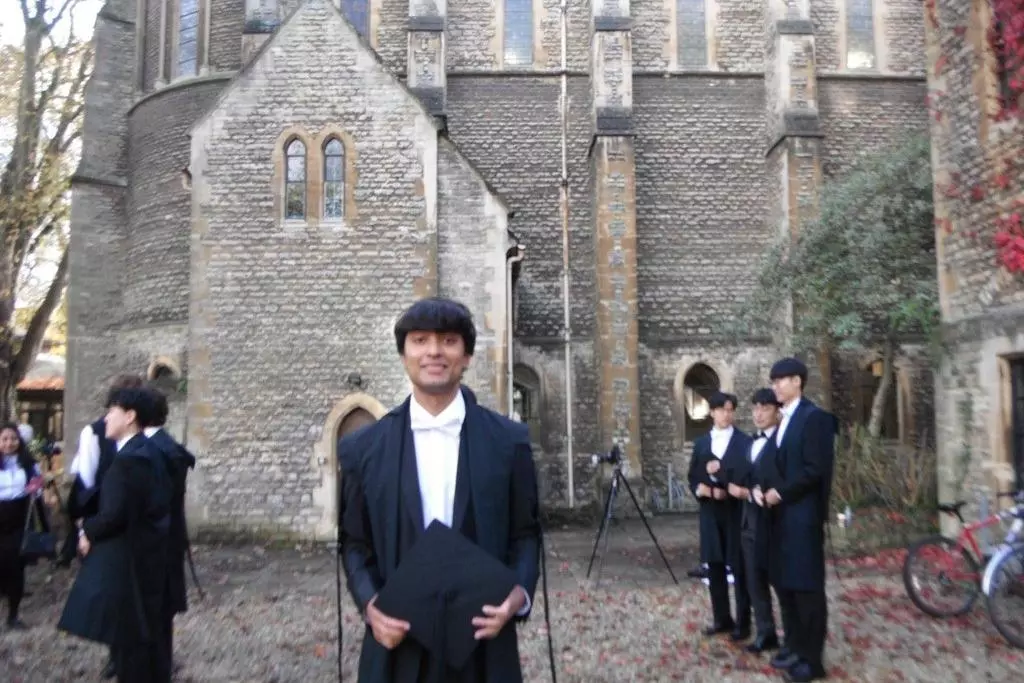





Day 1: Nissan Lecture Theatre, The Nissan Institute of Japanese Studies, University of Oxford 27 Winchester Road, Oxford OX2 6NA, United Kingdom (Google Maps)
Day 2: Auditorium, Maison Française d'Oxford, 2-10 Norham Road, Oxford, OX2 6SE, United Kingdom (Google Maps)
Day 1 & 2: The link for online participation will be shared and accessible to registered participants only. Unauthorized recording is strictly prohibited.
Image
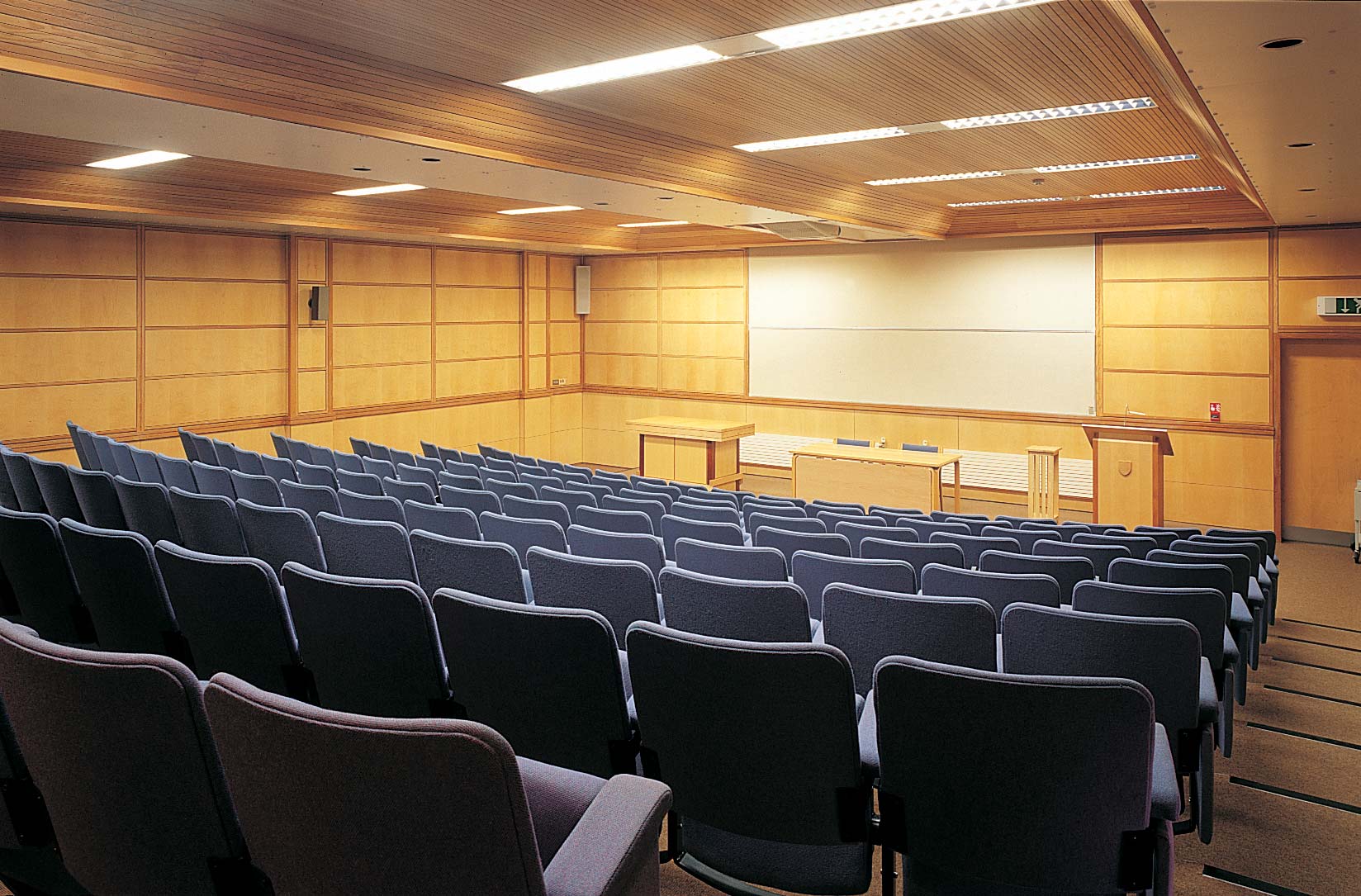
Lecture Theatre, Nissan Institute of Japanese Studies | Image
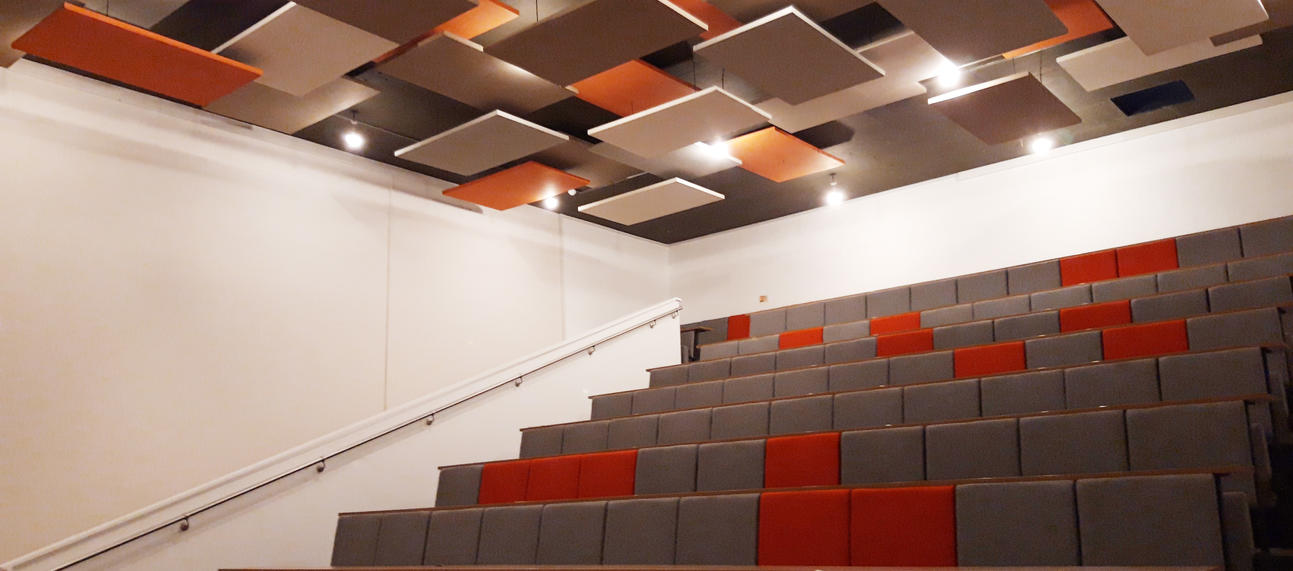
Auditorium, Maison Française d'Oxford |
Please be aware that photographs will be taken at this conference for promotional and archival purposes. They will likely appear on websites and social media channels. If you would not like for your photograph to be made public, please let the organiser, Toma-Jin Morikawa-Fouquet, know by the end of the conference at tomajin.morikawa@history.ox.ac.uk.



OJHW Logo Text by Miyuki Morikawa and Toma-Jin Morikawa-Fouquet